Common Causes of Paver Shifting and Settling
Understanding common causes of paver shifting and settling helps homeowners identify issues, and local contractors can provide expert repairs to restore stability and appearance.
Property owners noticing pavers shifting or settling might find this page reassuring-these issues are common and often have practical explanations. Understanding the typical causes of paver shifting and settling can help homeowners identify underlying problems early on, preventing further damage and maintaining a safe, attractive outdoor space. Whether it's due to soil movement, improper installation, or environmental factors, many local contractors specialize in addressing these concerns and restoring paver stability effectively.
Exploring the common causes of paver shifting and settling also highlights the importance of professional repair services. Skilled local service providers have the experience to diagnose the root issues and recommend appropriate solutions, ensuring that the pavers are properly secured and level. Keep reading to learn more about what might be causing paver problems and how experienced contractors can help keep outdoor surfaces durable and visually appealing.
- Paver Repair Services - local contractors can address shifting caused by soil movement or poor base preparation.
- Paver Repair Services - when pavers settle unevenly due to drainage issues, service providers can restore proper alignment.
- Paver Repair Services - experts can fix paver shifting resulting from tree roots or vegetation growth beneath the surface.
- Paver Repair Services - if pavers have become loose or uneven from freeze-thaw cycles, local pros can stabilize and level them.
- Paver Repair Services - for settling caused by inadequate compaction during installation, service providers can re-level and secure the pavers.
Understanding the common causes of paver shifting and settling is essential for homeowners planning to maintain or repair their paved surfaces. When people search for this topic, they are typically looking to identify why their existing paver installations are becoming uneven, cracked, or displaced over time. These issues often relate to the stability and integrity of the base layer beneath the pavers, as well as external factors that influence how well the paving system holds up. Recognizing these causes helps homeowners determine whether the problem is due to natural settling, improper installation, or environmental influences, and it guides them toward appropriate solutions offered by local contractors specializing in paver repair.
The problems associated with paver shifting and settling are frequently linked to underlying structural or environmental conditions. For example, poor drainage can cause water to accumulate beneath the pavers, leading to soil erosion or expansion and contraction of the base material. Similarly, inadequate base preparation or compaction during installation can result in uneven support, making pavers prone to movement over time. External factors like tree roots growing underneath or nearby ground movement caused by soil settling can also exert pressure on the paving surface. These issues can compromise the aesthetic appeal and safety of outdoor spaces, making it important for homeowners to understand how these causes relate to their repair or replacement plans.
Properties most commonly affected by paver shifting and settling include driveways, walkways, patios, and pool decks. These areas experience frequent foot or vehicle traffic, which can accelerate wear and expose underlying issues. Residential properties with landscaping features that involve soil movement or moisture fluctuations are particularly susceptible. Additionally, properties located in regions with high rainfall or freeze-thaw cycles often see more pronounced shifting due to soil expansion and contraction. Recognizing the specific conditions of a property helps homeowners understand the root causes of their paver problems and highlights the importance of consulting with local service providers who can assess the site and recommend targeted repairs.
Local contractors specializing in paver repair play a vital role in addressing the common causes of paver shifting and settling. They can evaluate the property’s soil conditions, drainage patterns, and installation quality to identify the underlying issues. These service providers often perform base repairs, re-leveling, or complete replacements to restore the stability and appearance of paved surfaces. By understanding the common causes, homeowners can better communicate their concerns and work with experienced local pros to develop effective solutions. Proper diagnosis and timely intervention help prevent further damage, prolong the lifespan of the paving, and maintain the safety and visual appeal of outdoor spaces.
Paving installation projects - professionals experienced in proper base preparation and soil assessment can help prevent issues related to paver shifting and settling.
Landscape grading and drainage work - local contractors skilled in grading and drainage ensure water flows away from paved areas, reducing the risk of movement caused by water accumulation.
Concrete and sidewalk repair - these projects require similar planning and tools for addressing ground movement that can affect paver stability over time.
Retaining wall construction - expertise in soil stabilization and structural support can assist in preventing shifts that impact adjacent paved surfaces.
Foundation repair services - specialists in soil stability and ground shifting can identify and mitigate underlying causes affecting paver settling.
Hardscaping and patio installation - experienced service providers can ensure proper base and foundation work to minimize future paver movement issues.
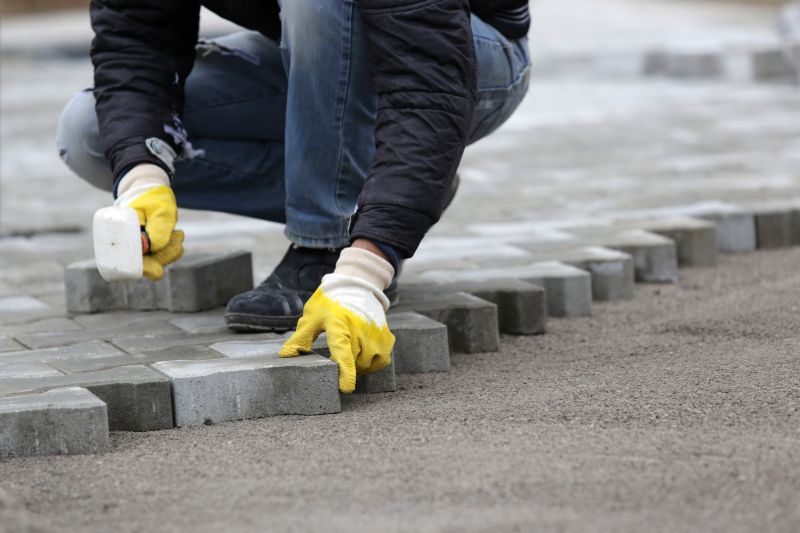
When evaluating local contractors for paver repair, it is helpful to consider their experience with projects similar to yours. Contractors who have handled paver shifting and settling issues in the past are more likely to understand the common causes behind these problems, such as soil movement, improper base preparation, or drainage issues. Asking for examples of previous work or references can provide insight into their familiarity with these specific challenges, ensuring they have the practical knowledge needed to address your situation effectively.
Clear written expectations are essential when comparing service providers for paver repair. A reputable contractor should be able to outline the scope of work, materials to be used, and the steps involved in correcting paver shifting and settling. This clarity helps prevent misunderstandings and ensures that both parties are aligned on the project goals. When reviewing proposals or estimates, look for detailed descriptions that demonstrate the contractor’s understanding of the common causes of paver issues and how their approach will address them.
Good communication and reputable references are key indicators of a reliable service provider. Contractors who are transparent about their processes and willing to answer questions can help homeowners feel confident in their choice. Additionally, seeking out references or reviews from previous clients can reveal the contractor’s ability to deliver quality results and maintain professional relationships. Effective communication ensures that any concerns or questions about the causes of paver shifting and settling are addressed promptly, leading to a smoother repair process and a more durable, long-lasting paving surface.
Property owners often search for common causes of paver shifting and settling when they are planning practical projects around their homes and businesses. Local pros provide Paver Repair services for everyday jobs and straightforward project options.
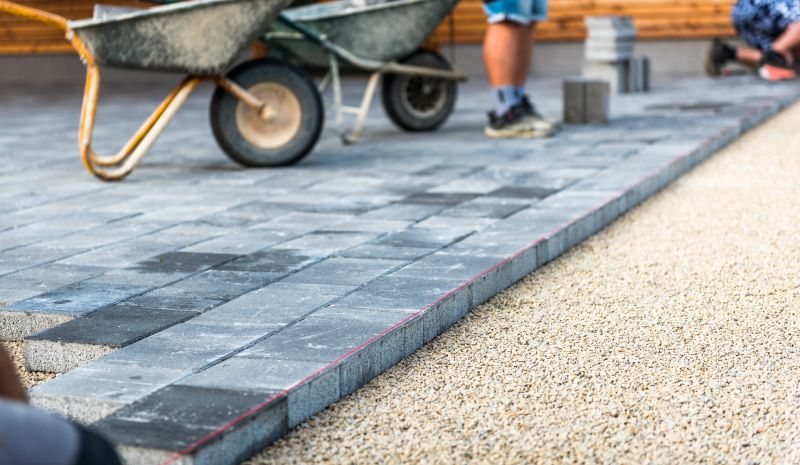
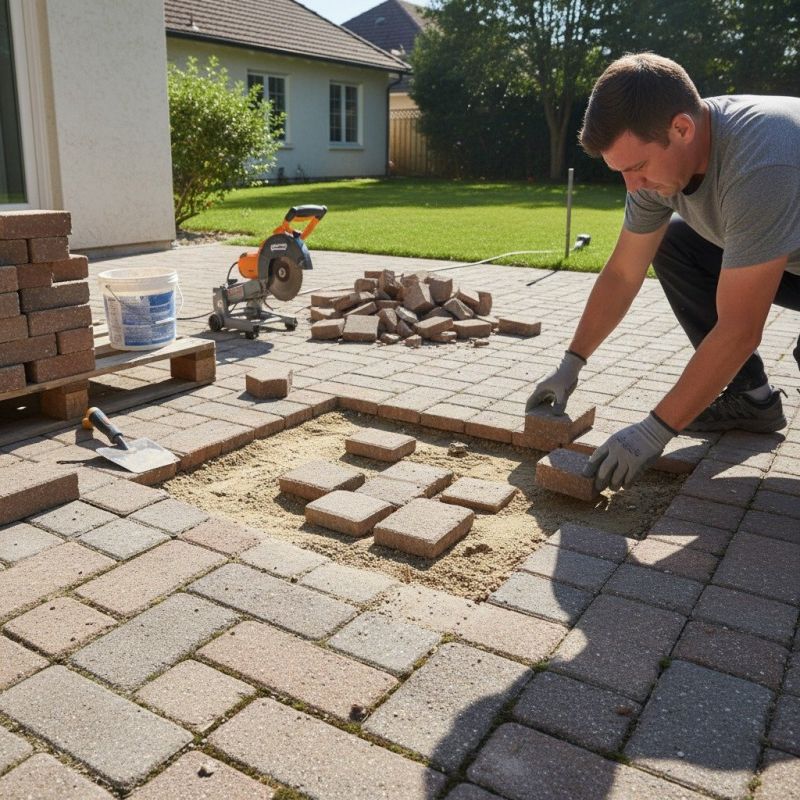
Understanding the common causes of paver shifting and settling helps property owners recognize when repairs might be needed. Everyday situations, such as poor soil preparation before installation or inadequate base material, can lead to instability over time. Additionally, natural ground movement caused by freeze-thaw cycles, moisture changes, or even nearby construction activity can put pressure on paver surfaces, resulting in uneven settling or shifting. When these issues occur, local contractors experienced in paver repair can assess the situation and recommend appropriate solutions to restore a safe and level surface.
Many property owners also encounter shifting and settling due to factors like heavy foot or vehicle traffic, which can loosen the base beneath the pavers, or improper installation techniques that don’t account for drainage and soil conditions. Over time, erosion or pooling of water can weaken the foundation, causing pavers to move out of place. For those noticing unevenness or loose pavers, connecting with local service providers who specialize in paver repair can help address these causes effectively and prevent further damage.
What are common causes of paver shifting and settling? Common causes include soil movement, poor base preparation, and drainage issues that can lead to instability and uneven settling of pavers. Local contractors can assess these factors and recommend appropriate repairs to restore stability.
How does soil movement affect paver stability? Soil movement, often caused by moisture changes or compaction problems, can shift the foundation beneath pavers, resulting in shifting or sinking. Experienced service providers can identify and address soil-related issues to prevent further settling.
Can poor base preparation lead to paver settling? Yes, inadequate base material or improper compaction during installation can cause pavers to settle unevenly over time. Local pros can evaluate and improve the base to ensure long-lasting stability.
What role does drainage play in paver shifting? Poor drainage can cause water accumulation beneath pavers, weakening the base and leading to shifting or sinking. Skilled contractors can improve drainage solutions to protect against future settling.
How can local service providers help fix shifting or settling pavers? They can identify underlying causes such as soil issues, base problems, or drainage concerns and perform repairs to stabilize and properly reset the pavers, restoring a level surface.
Soil erosion prevention - property owners can work with local contractors to stabilize soil around pavers, reducing shifting caused by erosion.
Proper base installation - ensuring a well-prepared foundation before laying pavers helps prevent settling issues later on.
Drainage management - implementing effective drainage solutions can minimize water accumulation that leads to paver movement.
Addressing tree roots - consulting with local pros to identify and mitigate root intrusion can prevent upward pressure causing paver shifting.
If you are thinking about common causes of paver shifting and settling for a property, this guide is meant to help you understand this topic, the typical project types, and how different options might fit your plans.
When you are ready, you can use the quote form on this page to share a few details about your project. From there, local pros can review the basics and follow up with options that match what you have in mind.